Recipes and traditions
How to Preserve the Stories Behind Family Recipes
A practical guide to saving the memories, traditions, and personal details that make a family recipe worth passing down.
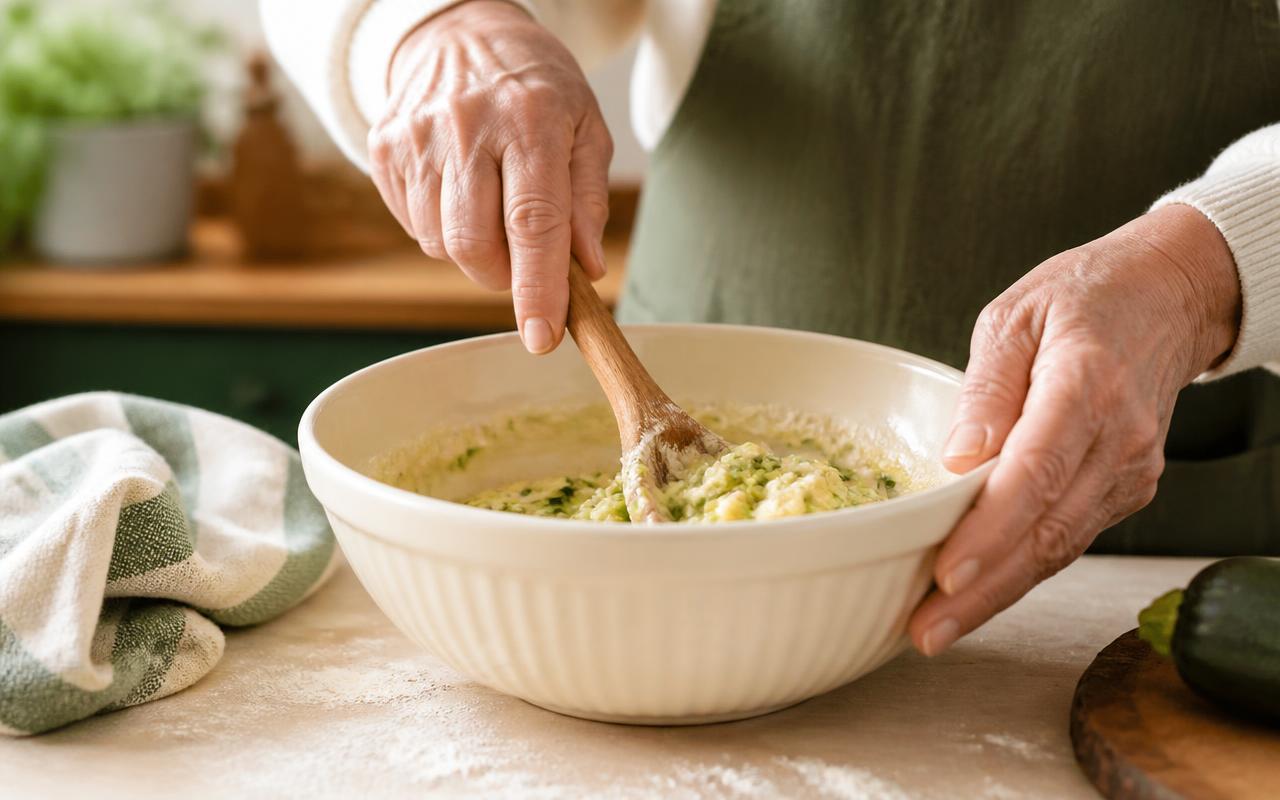
A handwritten recipe may tell you how much flour to add and how long something should bake. It may leave out nearly everything the original cook knew by heart.
The card may say “mix until ready” without explaining what ready looks like. An ingredient may be listed by an old brand name. A pie may have appeared every Thanksgiving for forty years, even though nobody wrote down who first brought it to the table.
Those missing details are part of the recipe.
Preserving a family recipe means saving the instructions along with the person, occasion, habits, and memories attached to it. Begin with one dish your family knows well and gather as much of that context as you can.
Choose one recipe to begin with
Start with a recipe that still has someone available to explain it.
Good choices include:
- A dish served at the same holiday every year
- A recipe written in a parent’s or grandparent’s handwriting
- A food associated with a particular person
- A recipe that younger relatives have asked to learn
- Something connected to your family’s culture, hometown, or faith
- A recipe tucked into an old cookbook or kitchen drawer
Choosing one recipe keeps the project manageable. It also gives you a chance to learn which questions are most helpful before working through a larger collection.
Copy the recipe exactly as it appears
Begin by creating a faithful copy of the original recipe.
Include:
- The title
- Ingredient quantities
- Instructions
- Temperatures
- Cooking times
- Pan sizes
- Yield or serving size
- Notes written in the margins
- Crossed-out words
- Substitutions
- Brand names
- Unusual abbreviations
- Names written on the card
Keep the original wording, including phrases that seem vague or old-fashioned. A note such as “one coffee cup of sugar” or “bake in a moderate oven” provides useful evidence about when and how the recipe was used.
You can add a modern explanation separately. Keeping the transcription faithful allows future relatives to distinguish the original instructions from later interpretation.
Record who the recipe came from
Write down the full name of the person associated with the recipe.
Ask:
- Who first made this in our family?
- Did they create it or learn it from someone else?
- Was it copied from a cookbook, newspaper, package, or friend?
- Did another relative write the card?
- Is this the name everyone used for the dish?
- Did different branches of the family make their own versions?
- Who taught the current cook how to make it?
- Who in the family still knows the recipe well?
Include maiden names, nicknames, and relationships when they help identify the person.
For example:
Recipe used by Helen Carter Williams, known to her grandchildren as Grandma Helen. Her daughter believes Helen learned it from a neighbor during the 1950s.
That short note gives the recipe a history that the ingredient list cannot provide.
Ask when the family served it
Many family recipes belong to a particular occasion.
Ask:
- Was this made for a holiday?
- Did it appear at birthdays, funerals, reunions, or church gatherings?
- Was it an everyday meal or something reserved for company?
- Did the family eat it during a certain season?
- Was it connected to a harvest, religious observance, or community event?
- Who usually requested it?
- Was there another dish always served with it?
- Did anyone have a particular job when it was prepared?
- Which house or kitchen do relatives associate with it?
A simple note such as “served after church every Easter” can bring back the setting, the people at the table, and the rhythm of the day.
Capture the details the cook never measured
Experienced family cooks often rely on sight, sound, texture, and habit.
Ask the person who knows the recipe to explain:
- What should the mixture look like?
- How thick should the batter or dough feel?
- How do you know when it has been mixed enough?
- What color should it be when it is done?
- Should the edges look dry, crisp, or browned?
- Is there a sound or smell that signals it is ready?
- How full should the pan be?
- How long should it cool before serving?
- Which step tends to cause problems?
Watch them prepare the dish when possible. Write down what they do between the written steps.
They may rinse a measuring cup before adding syrup, warm a bowl before mixing, rotate the pan halfway through baking, or add an extra handful of an ingredient without mentioning it.
Those habits may explain why another person following the card never gets quite the same result.
Write down substitutions and family preferences
Recipes change as ingredients, appliances, and family tastes change.
Record:
- Ingredients that became difficult to find
- Brands the family preferred
- Ingredients someone stopped using
- Changes made for allergies or dietary needs
- Adjustments for a different pan or oven
- Reduced or increased quantities
- Shortcuts used on busy days
- An ingredient one relative added and another left out
- Differences between holiday and everyday versions
Name the person connected to each variation when you know it.
For example:
- “Aunt Linda adds pecans.”
- “Dad leaves out the raisins.”
- “Grandma used lard, but Mom changed it to shortening.”
- “The reunion version is doubled and baked in two pans.”
Several versions can belong in the same family record. Labeling them clearly helps each branch of the family recognize the recipe they remember.
Ask about the memories connected to the dish
A recipe story often begins with a person or place rather than the food itself.
Ask:
- Who do you picture making this?
- What was their kitchen like?
- Did they use a particular bowl, pan, spoon, or appliance?
- What do you remember smelling while it cooked?
- Did children wait nearby for a taste?
- Was anyone allowed to help?
- Did the cook follow the written recipe?
- Was there a part everyone argued over or tried to claim?
- Did anything funny ever happen while it was being made?
- Did the dish comfort the family during a difficult time?
- Who was usually at the table when it was served?
- What do you miss most about eating it with that person?
Let the answer move beyond the recipe. A story about the kitchen table, the radio playing in the background, or a relative arriving late may become the detail everyone remembers.
Record the recipe in the cook’s own voice
A voice memo or short video can preserve the way someone explains a recipe.
Ask them to talk through:
- Where the recipe came from
- Who taught them
- When they usually made it
- Which steps matter most
- What they change from the written version
- How they know the dish is ready
- What memories they connect with it
- Who they hope will continue making it
The recording can happen while the person sits at the table or while they prepare the dish.
Ask permission before recording. Let them know who will have access to it.
A few minutes of casual conversation can capture pronunciations, expressions, and family phrases that would be hard to reproduce in writing.
Choose one useful photograph
Family Inventory allows one photograph for each recipe entry. Choose the image that will help your family recognize and understand the recipe.
You might use:
- The original handwritten recipe
- The finished dish
- The recipe card and finished dish together in one frame
When photographing the original recipe, choose the side with the most useful information. Record anything written on the reverse in the entry’s text.
When photographing the finished dish, use the plate, pan, or serving piece the family normally uses when possible.
Take the photograph in a bright area and keep the recipe or food clearly visible. Avoid glare, heavy shadows, filters, and distracting objects.
The National Archives recommends digitizing family recipe papers to make them easier to use and share while keeping the original after digitization.
Preserve the original recipe card carefully
Original recipe cards often carry handwriting, stains, corrections, and wear that a typed copy cannot reproduce.
Store the original in a clean, dry area away from kitchens, garages, attics, basements, and possible water leaks.
The National Archives provides guidance for storing and handling family papers and recommends consulting a conservator when damage cannot be addressed through safe storage and handling.
Keep a digital copy for everyday use so the original does not need to be handled whenever someone wants to cook from it.
Test the recipe and keep notes
Older recipes may assume knowledge that the writer never recorded.
Make the dish and note:
- How long each step actually takes
- Whether an ingredient amount seems incomplete
- What pan size works
- What oven temperature gives the expected result
- How many servings it makes
- Which instructions need clarification
- Whether the texture or flavor matches family memories
- What you would ask the original cook if you could
Keep these testing notes separate from the original transcription.
Date each attempt and identify who prepared it. Another relative may reach a different conclusion, especially when several versions of the recipe exist.
Invite several relatives to contribute
One person may remember the ingredients. Another may remember the occasion.
Share the recipe record with relatives who might know:
- A different version
- The original source
- The name of the person who wrote the card
- A missing step
- The story behind a stain or note
- The pan that was always used
- Where the recipe was served
- Who should receive the original card
Label each contribution with the person’s name. When memories conflict, record both versions.
Create a clear family version
Once you have gathered the original recipe and its history, prepare a clean version that relatives can cook from.
Include:
- A descriptive title
- The person or family branch associated with it
- A faithful transcription
- Clarified modern instructions
- Pan size
- Temperature
- Timing
- Yield
- Known substitutions
- Family variations
- One photograph that best represents the recipe
- The story behind the recipe
Keep the faithful transcription and the updated cooking version clearly separated.
This lets relatives see what the original cook wrote while also giving them instructions they can follow in a modern kitchen.
A simple way to preserve one recipe this weekend
Choose one family recipe and complete these steps:
- Choose one photograph of the original recipe, the finished dish, or both together.
- Copy the recipe exactly as written.
- Identify the person connected to it.
- Ask when the family served it.
- Record one memory about the cook or occasion.
- Add any unwritten instructions.
That gives the recipe a useful record even when more details still need to be added.
Common mistakes to avoid
Typing the recipe and discarding the original
The handwriting, paper, stains, corrections, and notes may carry as much family meaning as the instructions.
Updating the wording without saving a faithful copy
Modern instructions can make a recipe easier to use. Keep the original transcription beside the updated version so the family can tell them apart.
Recording ingredients without the occasion
A recipe served at every reunion carries a different history from something cooked once and forgotten.
Leaving out the cook’s habits
The missing handful, preferred pan, and visual cue may be the reason one person’s version tastes different from everyone else’s.
Assuming every relative remembers it the same way
Family branches may use different ingredients, names, and stories. Record who shared each version.
Waiting until the recipe collection is organized
One recipe with a photograph and a short story is a worthwhile beginning.
Save what the recipe card leaves out
A family recipe can carry the memory of a kitchen, a person’s habits, a holiday routine, and the sound of someone explaining a step they never measured.
Preserve the written instructions, then add the details that lived outside the card. Record who made it, when it appeared, how they knew it was ready, and what the family remembers about gathering around it.
Those details help another generation make the dish and understand why it belonged to the family.
More resources
Getting started
How to Create a Family Heirloom Inventory
A practical, step-by-step guide to documenting the keepsakes and belongings that matter to your family.
Family stories
Questions to Ask Your Parents About Family Keepsakes
Meaningful questions that can help uncover the people, memories, and stories behind treasured belongings.

Family memories
How to Record Family Memories Before They’re Forgotten
Simple ways to capture a relative’s voice, preserve one focused memory, and add the details future generations will need.